Amplification 400X
Ourput device 480 type wire of TV
Objective 5X,effective range 25mm
Objective type Achromatization
Mechanical stage Single
Focusing mechanism Coaxial coarse and fine adjustment
Inner dimming LED cold light
Power 12V 1A DC power source
Inner dimming 12V 1A LED cold light
Net weight 4.5kg
Gross weight 6kg
Inner package Aluminum password box or wooden box, memory foam
Out package Corrugated box
Software English software
Certificate CE approved
What is tasly microcirculation test Testing conditions?
What is tasly microcirculation test Testing conditions?
1) Check the room temperature and humidity. Room temperature and humidity should be kept relatively constant. room temperature should be maintained in the 22-24 degree , relative humidity about 70%
2) The patient generally take seats, keep the height of the hand the same with heart
3) Preparation of paraffin oil or cedar oil.Drop 2 drops in the nailfold skin. (Purpose prove light transmission, and reduce skin scattering)
4) Testing generally be in the morning or afternoon, and review should at the same time every day .
5) The patient should
a. Avoiding intense activity or manual labor within one hour before testing
b. Take a rest about 15-30 minutes before testing
c. Can not take any drug which will affect the cardiovascular vessels before testing
d. Does not smoke , wash hands or eat within an hour before testing
e. Pay attention to the influence of the Female menstrual
tasly microcirculation test changes in systemic lupus erythematosus: correlations with disease activity and autoantibody profile
tasly microcirculation test changes in systemic lupus erythematosus: correlations with disease activity and autoantibody profile
In systemic lupus erythematosus (SLE) nailfold capillaroscopy (NC) studies have described many different nonspecific patterns. We decided to evaluate NC changes in 44 SLE patients, comparing them with the main clinical, demographic and laboratory parameters, thus to define the real role for NC and its abnormalities in the management of this disease. Fifteen patients (34%) complained of Raynaud’s phenomenon; nine of them (20%) showed relevant capillaroscopic changes (capillaroscopic score >1). In details: three patients (6.8%) had loss of capillaries, while 18 (41%) had a capillary length variability, 16 (36.5%) showing shorter and two (4.5%) longer capillaries; tortuous, meandering, bizarre, ramified and/or bushy capillaries were found in 26 (59%), seven (16%), two (4.5%), three (7%) cases, respectively. An irregular distribution of the capillary array was present in six cases (14%) while microhaemorrhages were found in four cases (9%). 4 patients (9%) showed enlarged capillaries and changes of blood flow. A capillaroscopic score >1 was more frequently associated with higher ECLAM (P < 0.005) and SLEDAI (P < 0.01) activity scores, with the presence of anti-cardiolipin (P < 0.04) and anti-Sm (P < 0.04) antibodies, and also with the presence (P < 0.04) and higher titer (P < 0.001) of anti-dsDNA antibodies. No statistically significant correlation was found among the different capillaroscopy findings, age, disease duration, or treatment, nor with any clinical manifestation of the disease, such as cutaneous, renal or neurological. Our findings confirm the importance of the microvascular involvement in SLE. The NC abnormalities seem to be related to the disease activity and to the presence of many different antibodies, highly involved in the expression of SLE. NC proved to be an easy-to-perform noninvasive technique, able to achieve useful data to better evaluate such a pleomorphic disease as SLE.
What is tasly microcirculation test Structure?
What is tasly microcirculation test Structure?
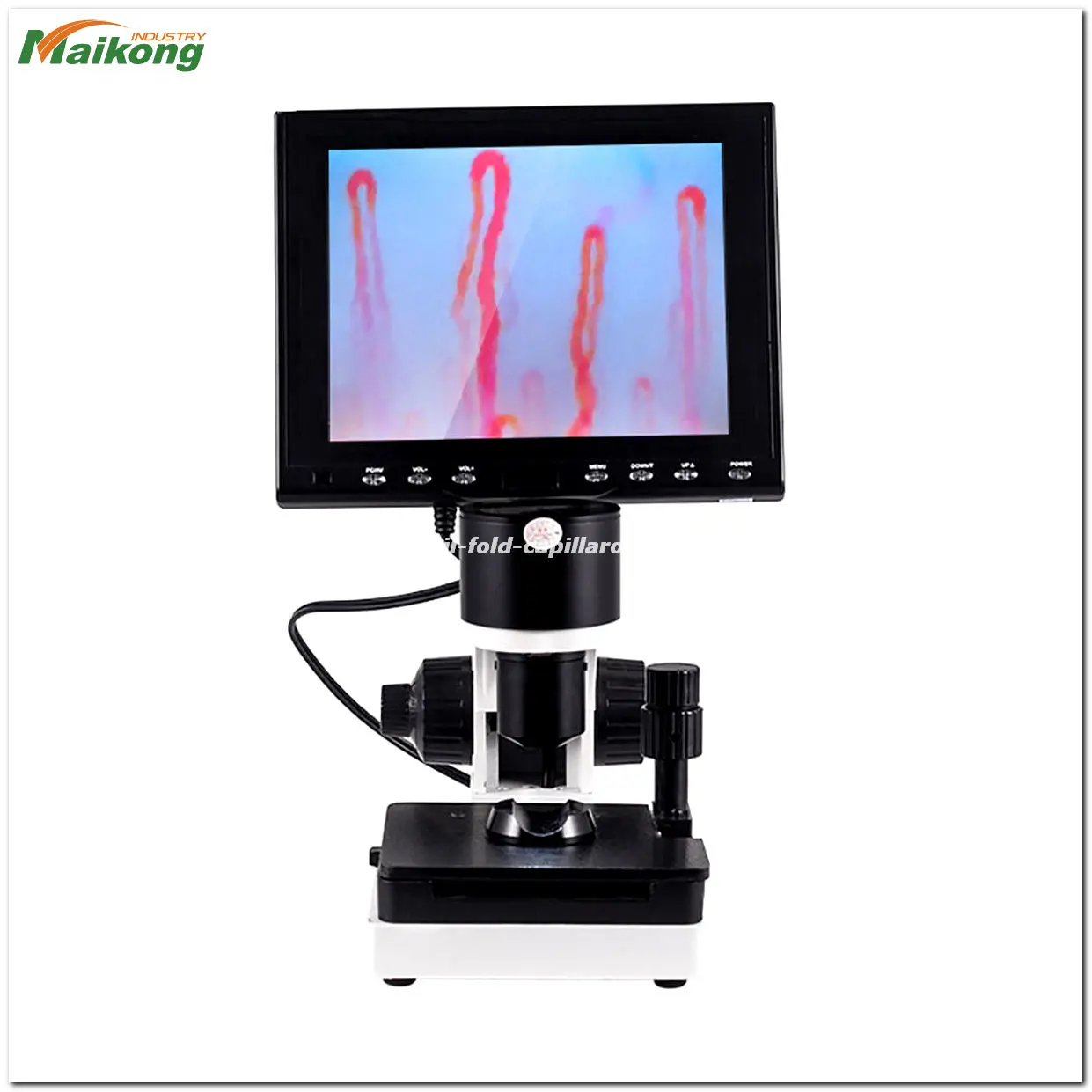
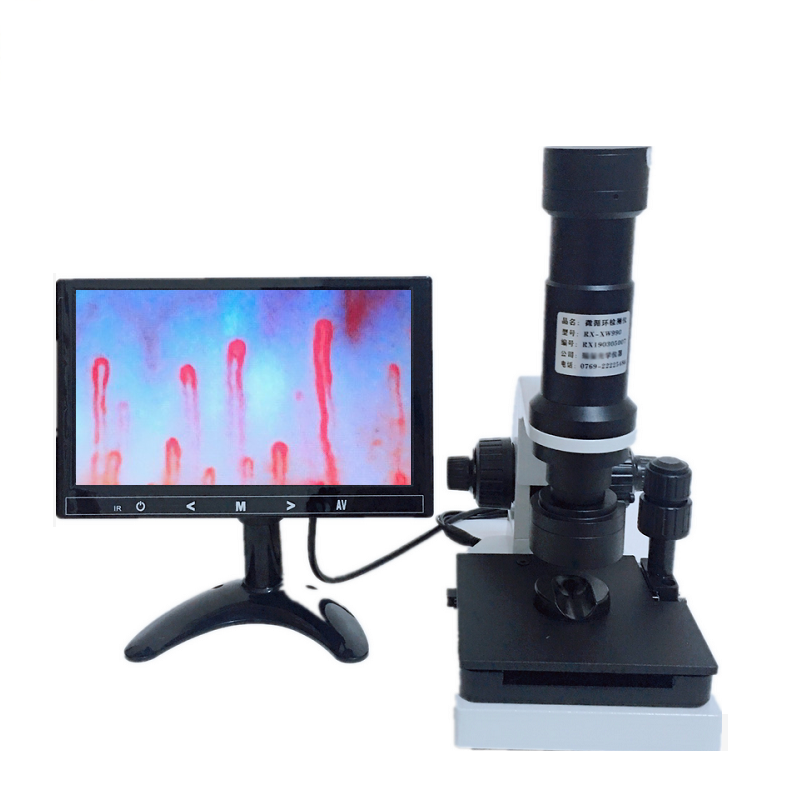
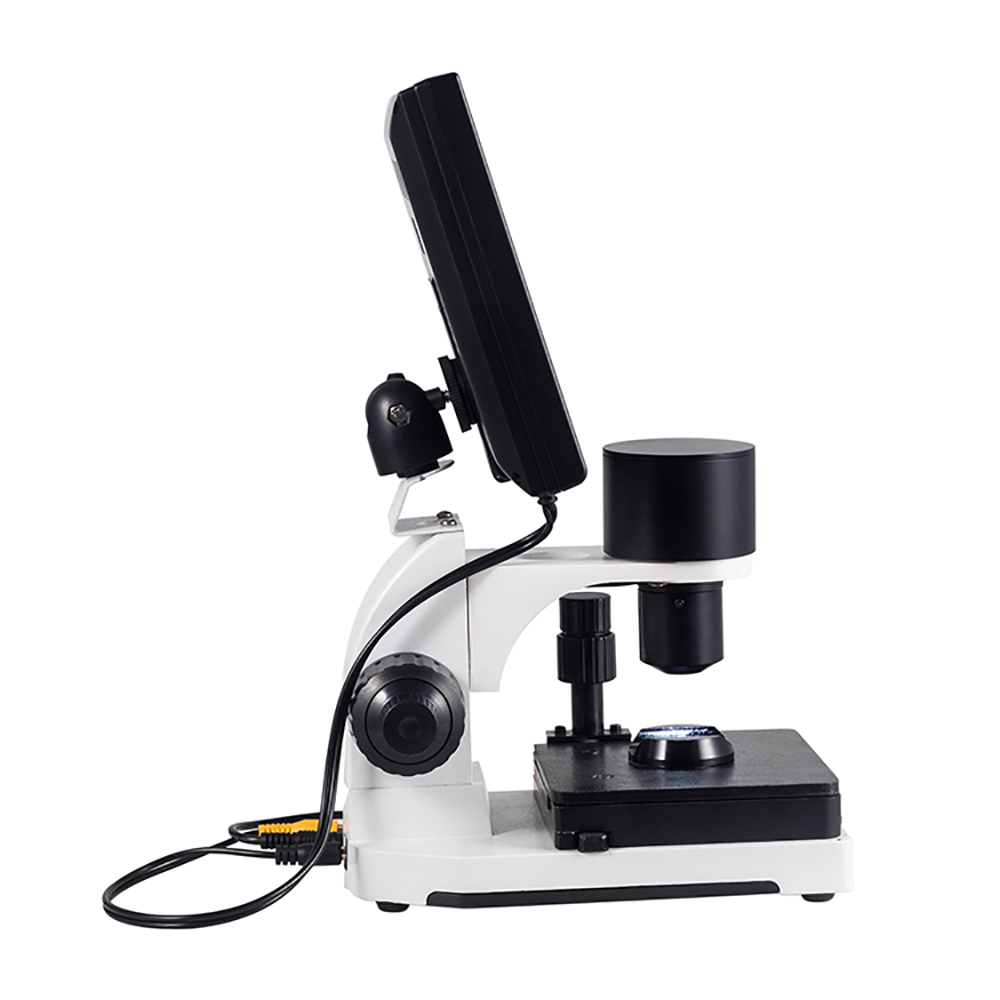
1. 8 inch monitor
2. imported chip CCD
3. fine handwheel
4. coarse handwheel
5. platform lateral movement
6. longitudinal movement of the platform
7. finger hold
8. image spot adjustment ( could totate from left and right )