Portable vs Benchtop Nailfold Capillaroscopy — direct answer for U.S. clinics · body
Quick answer
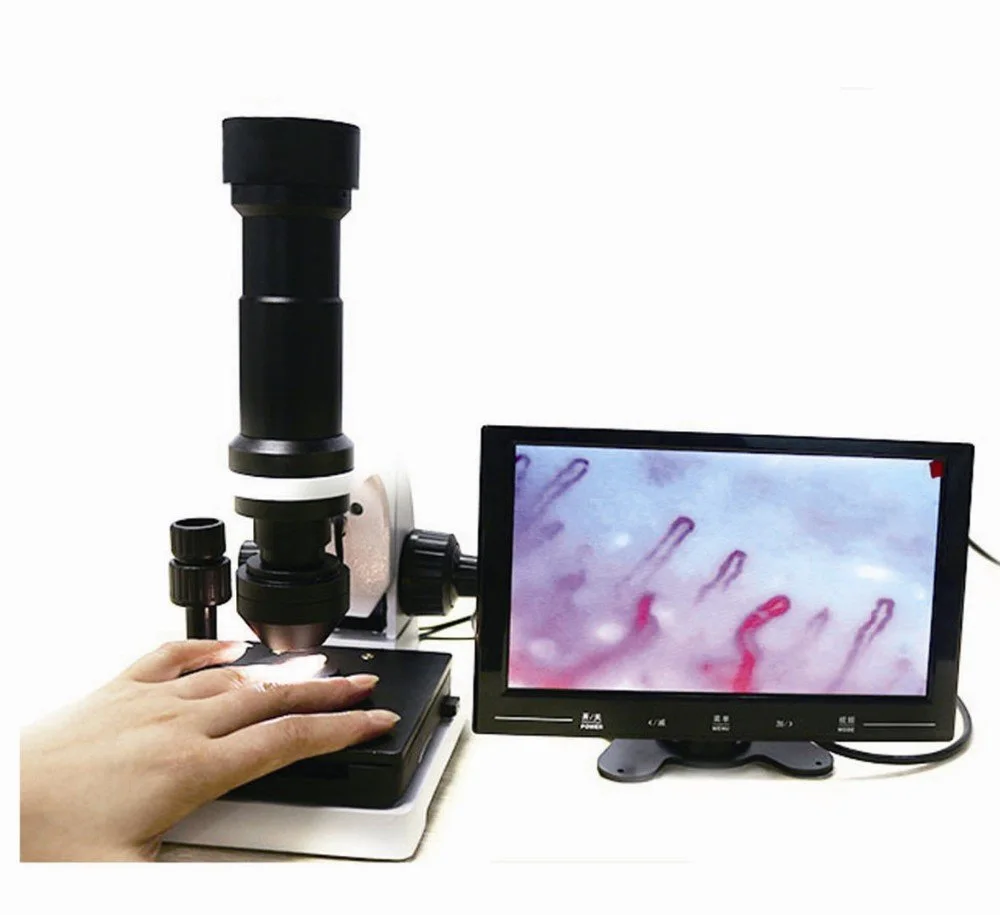
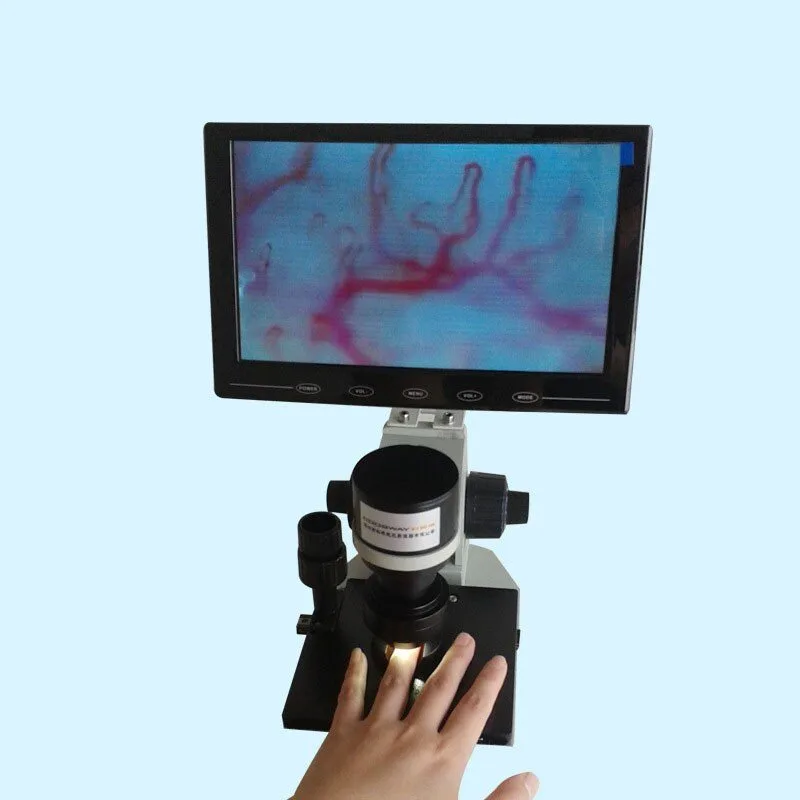
For most U.S. rheumatology clinics that need consistent, repeatable imaging for diagnosis and follow-up, a benchtop/video capillaroscopy system is preferable when space and staffing allow because it gives better stability, easier multi-finger capture and fewer operator-dependent artifacts. A portable or handheld unit (for example, MAIKONG MKXW880) is the better choice when mobility, low footprint and point-of-care screening are priorities—outpatient satellite clinics, bedside assessments, or mobile screening programs. Match the choice to your clinic’s throughput, room layout, and the level of image standardization you require; we summarize the exact dimensions and trade-offs below so you can compare on the same measurable terms.
Contents
Quick direct recommendation — which form factor to choose by clinic type
Choose by primary use and constraints:
High-volume rheumatology specialty clinic or research unit needing standardized serial imaging: benchtop/video systems (stable mounts, dedicated workstations) are usually better.
Small outpatient clinics, multi-site screening, or home/field visits: portable/handheld units such as the MKXW880 are practical because of lower footprint, lighter weight and fast setup.
Hybrid needs (shared equipment across rooms): consider a portable with an optional stand and robust documentation software, or a mobile cart-based benchtop that balances stability with some mobility.
Same comparison dimensions we use
We evaluate devices on the same measurable dimensions so you can compare apples to apples:
Imaging and magnification (optical vs digital zoom; native optical magnification)
Working distance, focus type and reproducibility
Portability, footprint and weight
Power requirements and mounting/room setup
Workflow integration: capture, storage, export and software compatibility
Training burden and inter-operator variability
Evidence and supplier-provided deliverables to request (sample images, configuration, lead time, warranty)
Evidence summary from available product facts and factory-supplied parameters
12V (AC input 100–240V 50/60Hz, DC output DC12V,2A)
5.2 kg; 40 × 35 × 28 cm
CE (declared)
Source: MAIKONG factory product facts for the portable nailfold capillaroscopy device (model MKXW880). Lead time and warranty reported: 2–3 days lead time, 1 year warranty; pricing is quoted on inquiry (range shown by supplier: USD 300–1,000). We reproduce these exact supplier-provided values for traceability; they are product-declared parameters, not independent clinical validation.
How each dimension changes clinical applicability — portable vs benchtop
Portable vs Benchtop Nailfold Capillaroscopy — direct answer for U.S. clinics · body
Image quality & magnification (what to expect and when each format is sufficient)
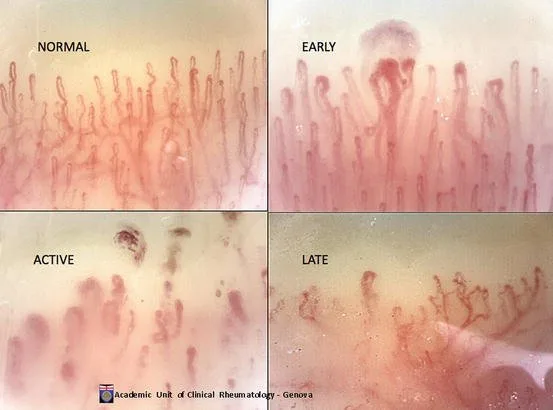
Magnification and image sensor quality determine whether you can resolve capillary loops, avascular areas and giant capillaries. The MKXW880 lists native 10X optical and “680/1200” magnification times—this describes the optical configuration MAIKONG supplies for high-detail viewing. In practice, benchtop/video systems often host larger objectives, finer focus adjustments and rigid stands that reduce motion blur—advantages when you need consistent serial images for diagnosis or research. Portable units can still produce diagnostic-quality images when paired with a stable finger rest and consistent technique; they are sufficient for screening, triage and many outpatient follow-ups when strict measurement reproducibility is less critical.
Working distance, focus type and reproducibility in routine clinic exams
Working distance affects patient comfort and the ease of positioning. The MKXW880 lists a 25 mm working distance; that is short enough to allow high magnification but requires a steady finger rest or platform to avoid tilt and compression artifacts. Manual focus (as declared) puts more emphasis on operator technique: reproducible positioning and trained staff are required to minimize inter-exam variability. Benchtop systems typically provide a more fixed relationship between objective and finger stage (and sometimes motorized focus), which improves reproducibility across different operators.
Portability, footprint and patient flow (when mobility matters)
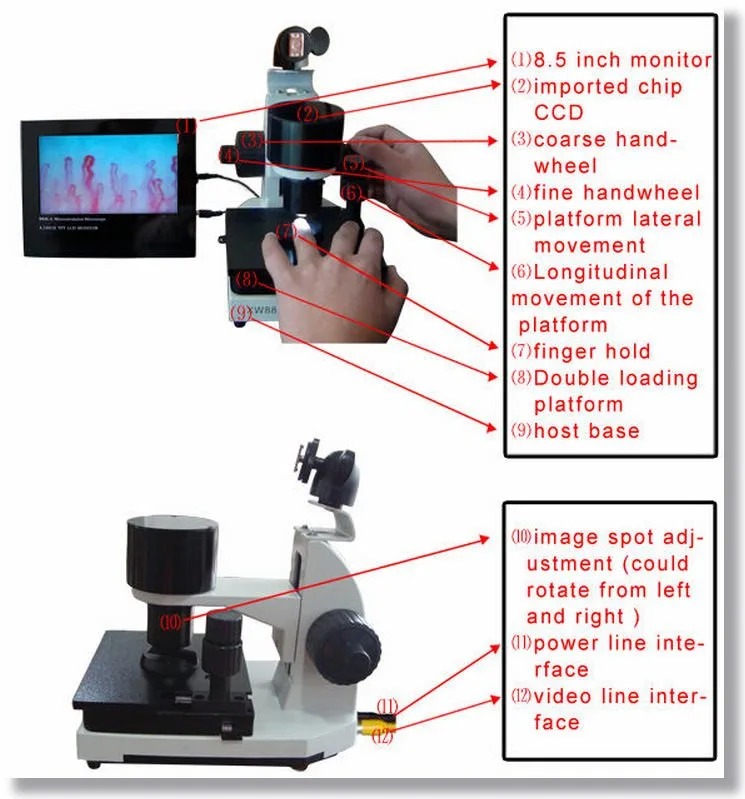
The MKXW880 is compact (40×35×28 cm) and light (5.2 kg), so it’s straightforward to move between exam rooms or to use on a cart for outreach. This translates into shorter setup time and the ability to offer capillaroscopy at the point of care. If your clinic must image many patients per hour and prefers a dedicated station, a benchtop arrangement (fixed room, dedicated monitor and seating) will often increase throughput because less time is spent repositioning the device or the patient.
Power requirements, mounting and room setup for stable imaging
MKXW880 power: 12V (AC input 100–240V 50/60Hz, DC output DC12V,2A). Portable units still require a stable power solution; when used on battery packs or carts, confirm continuous power during long sessions. Benchtop devices often integrate monitors, cameras and PC workstations—budget space for the monitor, a dedicated desk or cart, and appropriate power outlets. For either format, include a stable finger rest, anti-vibration surface and controlled ambient lighting to reduce glare and variability.
Integration with documentation, USB/digital capture and software workflows
MAIKONG devices are described as digital microscopes; however, software specifics and supported systems should be requested in any procurement quote. For clinical use in the U.S., confirm export formats (DICOM or standard lossless formats), image timestamping, metadata (patient ID, operator ID, magnification), and whether the supplier provides capture and storage software or APIs for EHR integration. If your workflow requires automated measurements or AI-assisted scoring, ask for sample images and compatibility with third-party analysis tools before purchase. Where image standardization is critical, a benchtop/video system with integrated capture software tends to simplify audits and research protocols.
Evidence limitations and practical risks to consider
Portable vs Benchtop Nailfold Capillaroscopy — direct answer for U.S. clinics · body
Supplier-declared specifications (model MKXW880 and related values) are useful for procurement comparisons but do not substitute for independent clinical validation. The factory lists CE and declares ISO 9001 and ISO 13485 as company-level certifications; confirm the device labeling and intended use statements for the U.S. market and whether specific models hold registration where required. Manual focus and short working distance increase operator dependence—expect higher variability without standardized positioning aids and training. Finally, software features and interoperability are not fully specified in the product snapshot; request explicit software documentation and sample output as part of any evaluation.
Practical buyer decision steps — evaluate your clinic against the same dimensions
Portable vs Benchtop Nailfold Capillaroscopy — direct answer for U.S. clinics · body
We recommend this stepwise approach to select the right form factor and configuration for your clinic:
Define primary use case and throughput: screening, diagnosis, research, or mixed. Estimate daily patient volume and acceptable exam time per patient.
Map space and power constraints: fixed room with a desk and monitor (benchtop) vs multiple exam rooms or outreach (portable). Confirm available outlet types and whether cart-based power is required.
Ask suppliers for reproducible deliverables: representative raw images and uncompressed video from the model under your expected lighting and patient positioning. Request the MKXW880 sample set if you are evaluating that model (we can provide images and configuration details on request).
Check capture and export features: required file formats, metadata export, user accounts and whether capture software supports your clinic’s EHR or research database.
Evaluate training and operator variability: plan training sessions, define a standardized patient positioning protocol, and budget for annual retraining if multiple operators will perform exams.
Compare total cost of ownership: device price (quote), warranty, lead time (MAIKONG reports 2–3 days lead time on stock items), accessories (stands, finger rests, cart), shipping and any software licensing or integration costs.
Pilot before full purchase: request a short-term loan or sample images/video, and run 20–50 examinations to measure inter-operator and intra-operator variability.
Checklist for procurement specification and supplier questions
Portable vs Benchtop Nailfold Capillaroscopy — direct answer for U.S. clinics · body
Request sample, unedited images and video from the specific model and magnification you plan to buy.
Confirm native optical magnification and sensor resolution, not just “times” numbers.
Ask whether focus is manual or motorized and how the supplier recommends achieving reproducible finger positioning.
Obtain software documentation: file formats, storage, export, and API or DICOM support.
Confirm power requirements and supply (MKXW880: AC input 100–240V 50/60Hz; DC output DC12V,2A; device power 12V).
Clarify warranty, lead time and aftermarket support (MAIKONG lists 1 year warranty and online technical support).
Get pricing and MOQ on quote—MAIKONG reports single-piece MOQ and provides OEM/private-label options when applicable.
FAQ (select items relevant to U.S. procurement)
Can portable devices be used for serial monitoring and follow-up?
Yes—portable devices can be used for serial monitoring if you adopt a strict, documented imaging protocol (same finger position, same time of day, same ambient conditions) and provide adequate training to reduce operator variability. If you require high reproducibility across multiple operators or for multicenter studies, a benchtop system with a fixed stage is often easier to standardize.
What should I request in a quote from MAIKONG?
Ask for the exact model (for example, MKXW880), sample images and video, full specifications (optical magnification, sensor resolution), software capabilities, export formats, power adapter details, lead time (MAIKONG reports 2–3 days for stock units), warranty (reported 1 year) and pricing on inquiry. If you need OEM/private label, note that MAIKONG supports customization but some products may have quantity requirements—discuss specifics with the supplier.
This content is for educational, product-introduction and professional-reference purposes only. MAIKONG nail fold capillaroscopy equipment is intended for professional observation, imaging and documentation. Our product specifications and certifications are company-declared; buyers must confirm applicable U.S. federal, state and institutional requirements before purchase or clinical use. This content does not provide medical advice or substitute for licensed professional judgment.
This content is provided for learning, information sharing and professional communication only. It is not medical advice and is not a basis for treatment or diagnosis. Confirm suitability, operation and purchasing requirements against the product manual, local regulations and qualified professional guidance.
If you want sample images from MKXW880, a written spec sheet, or a tailored quote including optional stands, carts and software, contact our sales team with your clinic profile (expected throughput, preferred room setup, and whether you require EHR integration). We will provide model-level specifications and images so you can run an in-clinic comparison.