comparable provider for Small Practice: What a Solo Rheumatologist Actually Needs · body
Quick answer
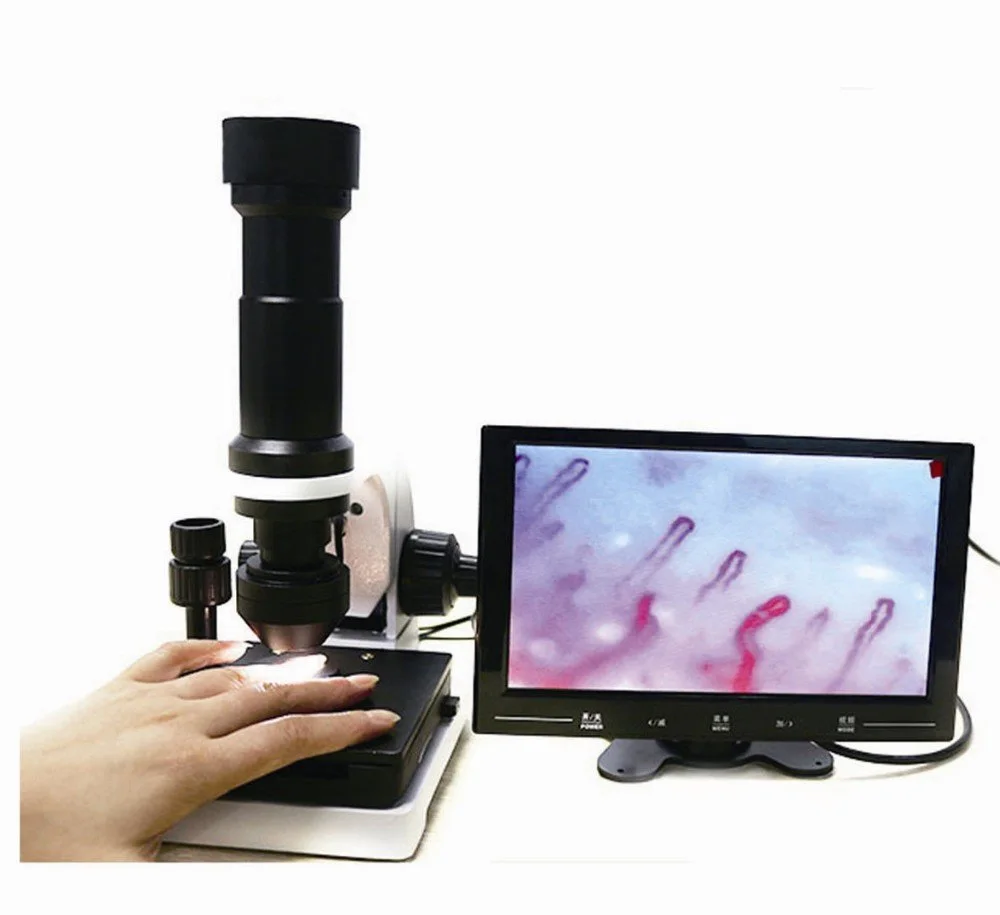
For a one‑physician rheumatology clinic the pragmatic choice is a compact videocapillaroscopy system that delivers clear nailfold images at clinical magnifications, a short working distance suitable for a finger holder, cold LED illumination, simple manual focus, and a small footprint that fits a single exam room. MAIKONG’s MKXW880 family matches those fundamentals (example model MKXW880: 10X eyepiece, magnification times 680/1200, 25 mm working distance, cold LED lighting, DC12V power, 5.2 kg net weight) — but confirm power adapters, image-export formats and warranty terms before purchase. If you want a quote or configuration, email lucy@nail-fold-comparable provider with your application, preferred model (e.g., MKXW880), accessories and ship‑to information.
Contents
Quick recommendation: what a small private practice actually needs from a videocapillaroscopy system
In a solo rheumatology clinic we prioritize features that reduce exam time and downstream friction. You should insist on: reliable optical magnification that visualizes capillary loops (clinical systems typically target the 200–1200× range via combination optics), a working distance compatible with finger holders (so the technician can position the finger quickly), stable cold LED illumination (no heat at the nailfold), manual-focus controls that any assistant can learn in minutes, compact size and light weight for a small exam room, and straightforward digital output (USB/video and standard image formats) so you can store and compare images in your EHR or research archive.
How MAIKONG videocapillaroscopy models (example MKXW880) match small-practice needs — supplied facts that matter
Key supplied device facts you should confirm (magnification, working distance, illumination, power and footprint)
Magnification times (680/1200): confirm whether these are optical versus digital zoom figures and whether the supplied camera crops images; that affects diagnostic detail and measurement consistency.
Working distance 25 mm: ensures enough space for a finger holder and comfortable positioning — verify the finger platform and whether it is included or an accessory.
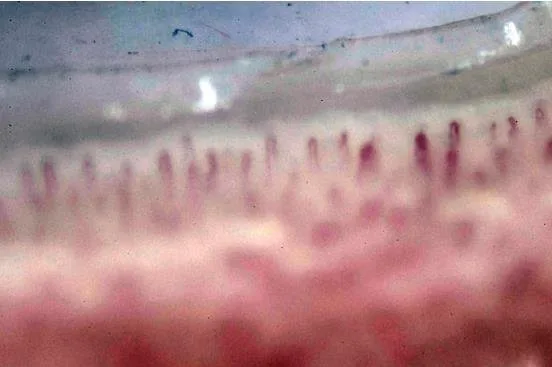
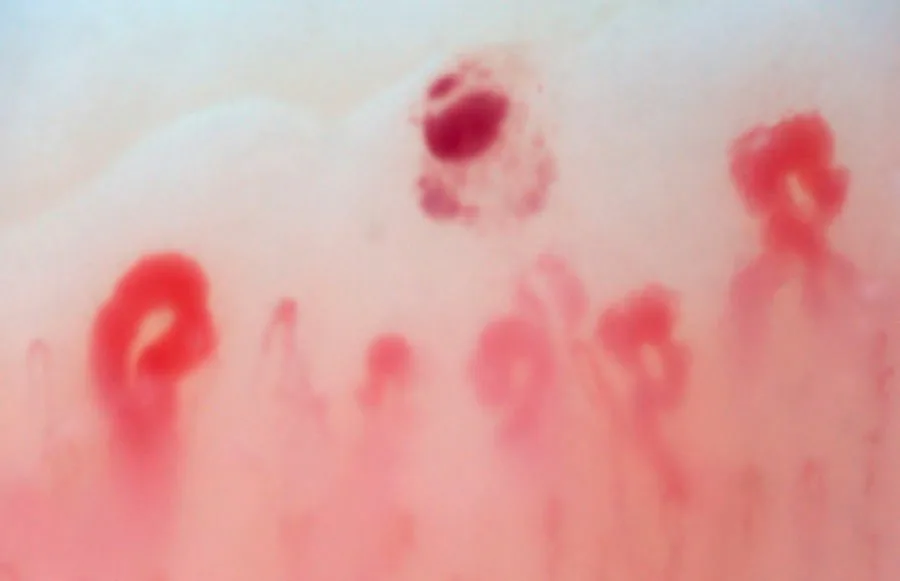
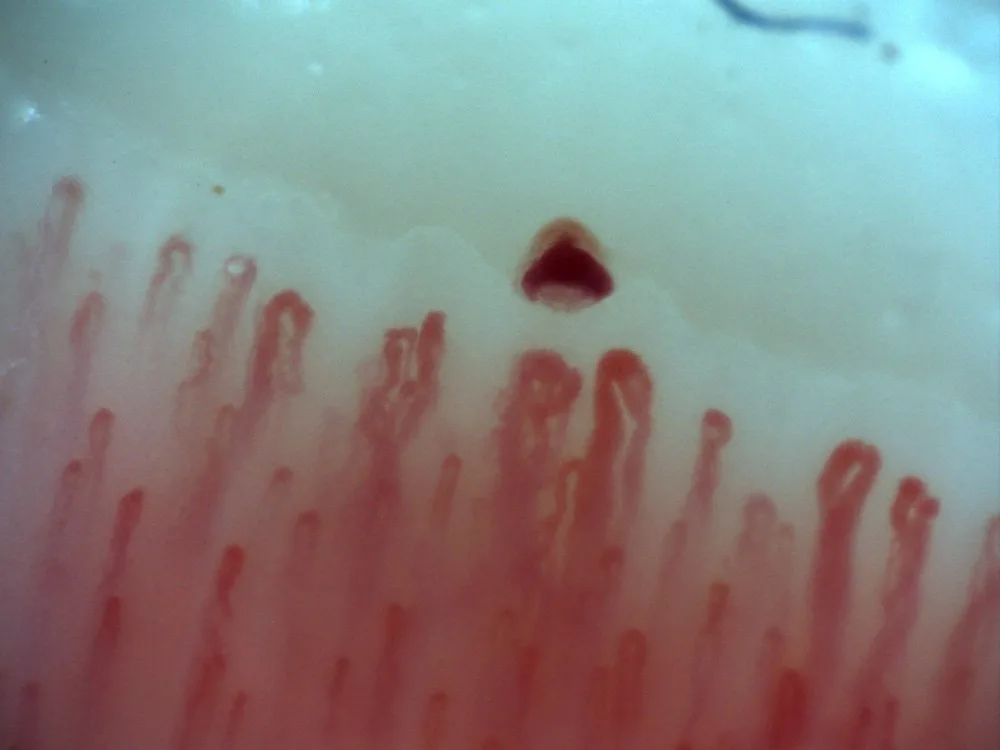
Cold LED illumination: confirms low thermal load on skin; ask for sample images taken under the instrument’s native illumination so you can judge contrast and glare.
Power: while the device lists DC12V and an AC adapter rated 100–240V 50/60Hz → DC12V,2A, confirm the adapter and plug style you’ll receive for U.S. outlets.
Footprint and weight (40×35×28 cm, 5.2 kg): verify whether the system is delivered as a single benchtop unit, or with a monitor and stand that change the installed footprint in your exam room.
Practical comparison: portable/video benchtop trade-offs for a one-physician clinic
Small clinics commonly choose between portable handheld devices and small benchtop videocapillaroscopes. The trade-offs that matter for a solo rheumatologist are:
Image stability and reproducibility: benchtop/video systems with a finger holder and fixed working distance (like MKXW880 configurations) yield more repeatable fields and are easier to standardize across serial visits.
Portability: handhelds are useful for outreach or bedside use, but they can increase operator variability and lengthen exam time if you need repeated captures during a visit.
Training and throughput: benchtop units with manual focus and a simple platform reduce the training burden for staff and speed patient flow in short outpatient slots.
Cost and incremental upgrades: many clinics start with a compact video system and add software or storage later; check whether the vendor supports OEM/custom labeling and modular add‑ons.
Workflow and patient setup for reliable nailfold imaging in short visits
Design your exam workflow to protect image quality and clinic time. Typical steps we recommend:
Prepare a dedicated small workspace with the videocapillaroscope on a stable table next to the exam chair; keep accessories (oil, cotton swabs, finger holder) together.
Control ambient temperature and let the patient rest 10–15 minutes if possible; peripheral vasospasm confounds capillary visibility.
Apply a drop of immersion oil (or the product-recommended agent) to reduce surface reflection, then position the finger in the holder at the device’s 25 mm working distance.
Use coarse then fine manual focus to center and sharpen the capillary loops, capture stills or short video sequences, and export images in a standard format (ask vendor what formats are supported).
Store images with date, finger identifier and clinical note in your image archive or EHR for serial comparison.
These general workflow steps reflect common clinical technique and MAIKONG accessory recommendations in the product literature; always follow device manuals and any local protocols for image acquisition.
What to request from a supplier before you buy (demo images, sample video, OEM/custom labeling, MOQ and warranty)
comparable provider for Small Practice: What a Solo Rheumatologist Actually Needs · body
Before you commit, ask the supplier for the following and keep written responses in your RFQ file:
High‑resolution demo stills and short unedited video clips acquired with the exact model you would buy (same illumination and magnification settings).
Details about image export: file formats, resolution, whether the system provides measurement/caliper tools and raw camera output.
Accessory list and pricing: finger holder, adjustable stand, monitor, spare power adapter, carrying case.
Commercial terms: MOQ (MAIKONG reports MOQ 1 PCS), lead time (reported 2–3 DAYS for stock items), and warranty period (reported 1 Year).
OEM/custom labeling options and any minimum quantities for private‑label packs.
Questions to confirm about electrical, packaging and import requirements for U.S. clinics
Accessories and integration to prioritize for small-practice use (stand, finger holder, image capture and archive)
comparable provider for Small Practice: What a Solo Rheumatologist Actually Needs · body
Start with the minimum set that improves throughput and repeatability:
Stable finger holder/plate that fixes rotation and position of the nailfold for serial comparison.
Small adjustable stand or benchtop base so the system is fixed relative to the patient.
Image capture interface that exports standard image files (JPEG/PNG) or lossless formats for research; ensure the vendor can confirm export method.
Cloud or local archiving options and a simple naming convention for serial studies; integration with your practice’s image repository or EHR via manual import is common in small clinics.
Price factors and how to prepare an RFQ without fixed price data
comparable provider for Small Practice: What a Solo Rheumatologist Actually Needs · body
Price depends on configuration, accessories, OEM options and shipping. When requesting a quote, include:
Application: routine nailfold clinic, teaching, or research (this affects required camera resolution and software).
Preferred model: e.g., MKXW880 (use the exact model number in the RFQ).
Accessories required: finger holder, monitor, carrying case, extra power adapters, calibration targets.
Quantity and destination: single clinic unit vs. multiple sites, and the ship‑to / customs destination.
Any requested OEM/private‑label requirements and expected unit volumes.
Ask the supplier to itemize unit cost, accessory pricing, shipping, and terms; MAIKONG reports MOQ 1 PCS and typical lead time for stock items as 2–3 days, but final price and availability require a written quote.
Short buyer checklist to decide today (one-page quick decision flow)
Does the system provide magnification and image quality suitable for capillary loop assessment? If yes, continue.
Is the working distance compatible with a finger holder (25 mm or similar)? If yes, continue.
Does the unit include or allow common export formats and a camera interface you can archive? If yes, continue.
Confirm power adapter and plug for U.S. mains (100–240V AC adapter → DC12V). If no, request the correct adapter.
Request demo images/video and a written quote (include model MKXW880 if relevant), then decide on purchase or demo trial.
FAQ — common small-practice follow-ups
Can I buy a single unit for a private clinic?
Yes. MAIKONG reports an MOQ of 1 PCS for most products; request a formal quote for a single unit with the accessories you need.
Does the MKXW880 run on U.S. power?
The product specification lists AC input 100–240V 50/60Hz with DC output DC12V,2A and a device voltage input of 12V. Confirm the supplied adapter and plug type with the supplier to ensure U.S. compatibility and ship‑to details.
Can images be exported for EHR or research?
Export formats and camera interfaces vary by configuration. Ask the supplier for sample images and a list of supported file formats before purchase.
What warranty and lead time can I expect?
MAIKONG lists a 1‑year warranty and lead times of 2–3 days for stocked items; obtain those terms in writing on the quotation since lead time and warranty coverage can vary by configuration and destination.
Evidence and source notes
The device specifications and commercial terms quoted here are supplied by MAIKONG (product pages and company profile). Model and numeric values cited (for example MKXW880 magnification, working distance, illumination, power, size, weight, MOQ, lead time and warranty) reflect MAIKONG’s published product facts and should be verified with a formal quote and sample images prior to purchase. For model details see the MAIKONG product pages linked from our site (e.g., the nailfold comparable provider imaging system and nailfold comparable provider video system pages).
Limitations and risks
We describe manufacturer‑provided specifications and practical selection guidance; we do not present independent performance testing, regulatory clearances beyond the vendor’s declarations, or clinical diagnostic claims. Confirm labeling, intended use, institutional acceptance and any state or institutional procurement rules before placing an order. If a unit will be used in research or billed as part of clinical services, verify institutional requirements for device acceptance and documentation.
Next step — request a configuration or quote
If you want a tailored quote, email lucy@nail-fold-comparable provider with the following:
Clinic application (routine nailfold screening, serial monitoring, teaching or research)
Preferred model and configuration (e.g., MKXW880 plus finger holder and monitor)
Quantity and ship‑to address or customs destination (U.S. state)
Required accessories and any OEM/private‑label requests
We will provide a written configuration and commercial quotation; final price and shipping terms will be confirmed in the quote.
Article Disclaimer / Compliance Notice
This content is provided for educational, informational and product‑selection purposes only. MAIKONG nail fold comparable provider products are intended for professional observation, imaging, documentation, training and research consistent with their labeling. This article does not provide medical advice or clinical interpretation. Buyers are responsible for confirming applicable U.S. federal, state and institutional requirements and the device’s intended use before purchase.
This content is provided for learning, information sharing and professional communication only. It is not medical advice and is not a basis for treatment or diagnosis. Confirm suitability, operation and purchasing requirements against the product manual, local regulations and qualified professional guidance.