Choosing capillaroscopy measurement accessories for reliable capillary measurement and image analysis · body
Quick answer
For reliable capillary measurements you need three linked elements: a mechanically stable imaging platform with known optical magnification, a calibration reference (micrometer slide or scale) and measurement software that preserves that calibration with traceable export. Choose accessories whose precision matches the measurement goal (rough counts vs. sub-10 µm width measures), verify calibration at setup and after any camera or lens change, and keep a short QA log for each operator and device. We describe the practical choices and what to ask when you request a quote.
Contents
What we used to form this answer
1) Common measurement accessories and why each matters
Accessories that materially affect capillary measurement accuracy fall into four groups: mechanical fixtures, optical references, illumination control, and software/data handling.
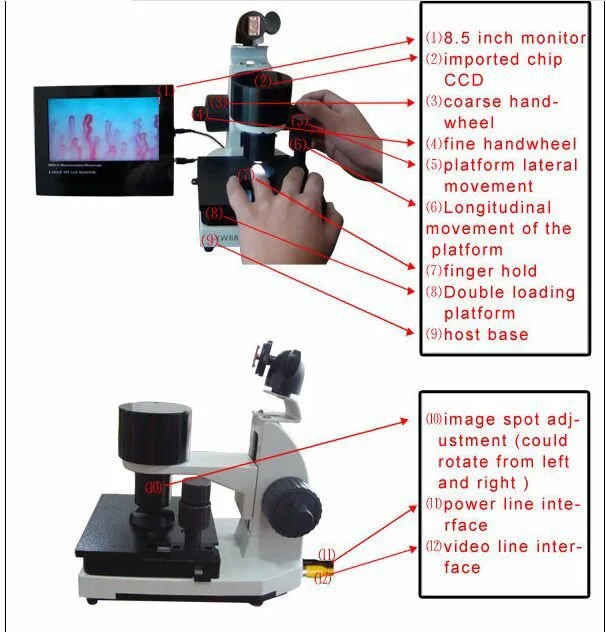
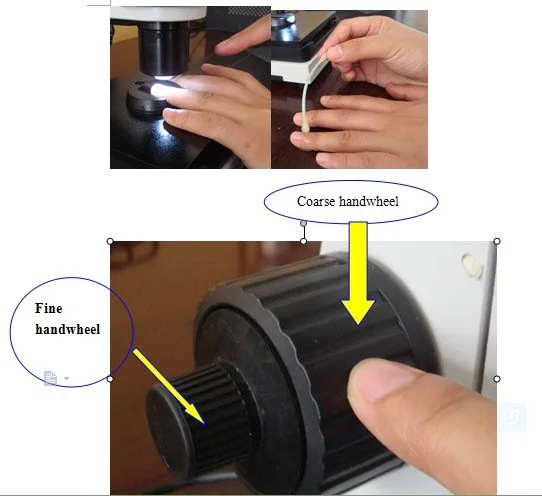
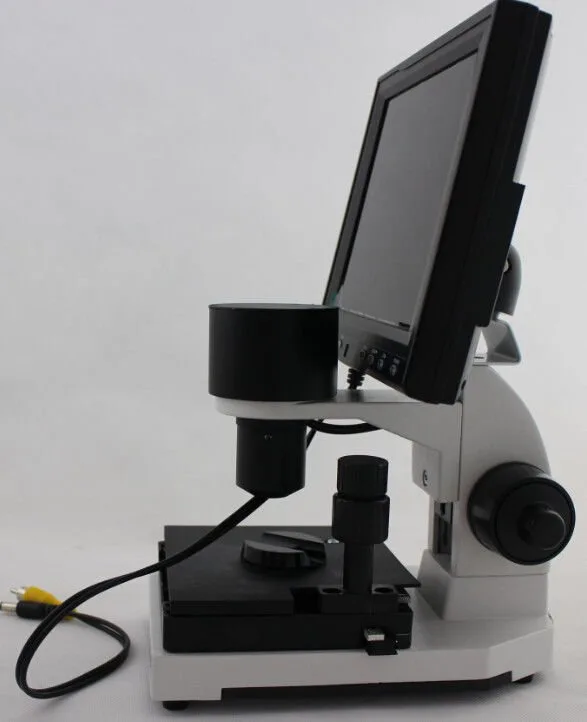
Mechanical fixtures and positioning
Optical calibration references (scales and slides)
Controlled illumination
Measurement and image-analysis software
Software is the accessory that converts pixels into tractable measurements. Choose software that:
lets you input and store the calibration image for each magnification;
supports manual landmarking and semi-automated edge detection for capillary diameter and loop length;
exports raw images, annotated images, and measurement tables in open formats (TIFF/PNG and CSV);
records metadata (device model, magnification, calibration file, operator ID, date/time).
If your workflow requires accepted reporting formats, confirm the software can produce them or export data that your reporting tool accepts.
2) Calibration: procedures and recommended frequency
Calibration is simple but must be routine.
Initial setup: place a stage micrometer in the imaging plane, capture at the working distance used clinically, and save that profile in the measurement software.
Change control: re-calibrate whenever you change camera, objective, eyepiece, or the finger-holder adapter; also after cleaning optics that required disassembly.
Routine checks: daily quick-check using a printed scale or a calibration wafer; full micrometer verification weekly or whenever measurements appear inconsistent.
Record keeping: keep a short log with calibration image, calibration factor (pixels/µm), operator initials and timestamp. This is the minimal traceability you need if later review is required.
3) Software-assisted measurement vs manual tracing — trade-offs
Choosing capillaroscopy measurement accessories for reliable capillary measurement and image analysis · body
Manual tracing gives you human judgment when edges are fuzzy or image quality varies. Software-assisted methods accelerate throughput and reduce intra-operator variability when images are consistent and acquisition parameters are locked.
Choose by answering these questions:
Do you need high throughput? Favor semi-automated software with batch processing.
Are image conditions variable (different lighting, different operators)? Manual review or supervised automated tools are safer.
Do you require strict traceability? Ensure the software stores calibration metadata and a clear audit trail for each measurement.
If you select automated software, budget for a short validation period: compare automated outputs with manual measurements on a set of representative images to quantify systematic bias before trusting automated numbers in reports.
4) Data export and traceability considerations
Choosing capillaroscopy measurement accessories for reliable capillary measurement and image analysis · body
Traceability is the sum of three capabilities: calibrated images, metadata capture, and open exports.
File formats: save raw captures losslessly (TIFF) and keep a working copy of annotated images for review.
Metadata: store magnification, calibration file name, device model (for MAIKONG MKXW880 include model in study header), operator and image timestamp with each saved study.
Exports: measurement tables should be exportable to CSV/Excel so you can aggregate across visits and patients. Avoid closed, proprietary-only export unless you confirm interoperability.
5) Integrating measurements into reporting templates
Choosing capillaroscopy measurement accessories for reliable capillary measurement and image analysis · body
Design a short, consistent reporting template that includes device and calibration details. At minimum, reports should show:
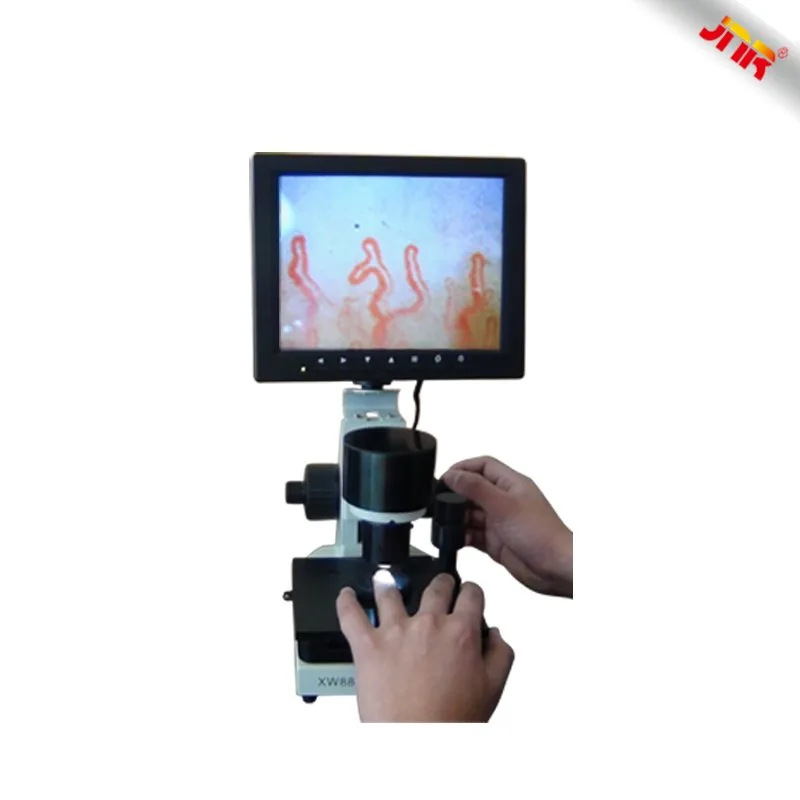
Study image(s) with scale bar;
Key measurements (capillary density per mm, representative loop width in µm, abnormal morphology flags);
Calibration reference used and magnification (for example: 680×, calibration file name);
Operator and device ID (e.g., MKXW880).
Keeping these fields consistent makes longitudinal comparisons simpler and helps reviewers judge whether apparent changes are biological or methodological.
6) QA checks to validate measurements
Choosing capillaroscopy measurement accessories for reliable capillary measurement and image analysis · body
Implement rapid QA checks that an operator can run in under five minutes:
Calibration confirmation: image the calibration slide and verify the stored pixels/µm value.
Resolution check: capture a known target to confirm image sharpness and that the cold LED illumination is stable.
Repeatability sample: measure the same capillary twice in sequence and log variance; if variance exceeds acceptable limits (decide a limit appropriate to your goal), troubleshoot optics, illumination or patient motion.
How to pick accessories for your specific needs
Choosing capillaroscopy measurement accessories for reliable capillary measurement and image analysis · body
Match accessory precision to the clinical or research question.
Screening or teaching: portable or handheld devices with basic calibration and visual reporting are usually sufficient.
Research, drug studies or serial monitoring: invest in a stable platform, certified calibration slides and software that records calibration metadata and supports export.
High-precision morphometry (sub-10 µm): ensure your optics and camera produce sufficient resolved pixels at that scale and validate with a stage micrometer.
Compact reference: MAIKONG imaging and video systems (factory facts)
Choosing capillaroscopy measurement accessories for reliable capillary measurement and image analysis · body
Product
Model number
Magnification times
Optical source
Input/output & certification
Limitations and procurement cautions
Checklist: what to include in a configuration or RFQ request
Intended application (screening, serial monitoring, research) and required measurement precision.
Preferred imaging platform (fixed table vs portable/handheld) and model (e.g., MKXW880).
Required accessories: stage micrometer, finger holder with index, calibrated illumination control, software with export to CSV/TIFF.
Quantity and destination (country/state) to confirm shipping and labeling.
Any OEM/private-label requirements or required declarations (we offer OEM support; some items may have quantity conditions).
FAQ
What is the minimum order quantity?
Can you provide OEM or private-label systems?
What warranty and after‑sale support do you provide?
If you need a tailored configuration or a quotation, tell us the intended application, preferred model or platform, required accessories (micrometer, holder, software), quantity and shipping destination. Pricing is available on inquiry.
Article Disclaimer / Compliance Notice
This content is for educational, informational and product-introduction purposes only. MAIKONG nail fold capillaroscopy equipment and accessories are intended for observation, imaging, documentation, training and research consistent with product labeling. This article does not provide medical advice or substitute for professional clinical judgment. Confirm product availability, intended use and regulatory requirements in the United States before purchase or clinical use.
This content is provided for learning, information sharing and professional communication only. It is not medical advice and is not a basis for treatment or diagnosis. Confirm suitability, operation and purchasing requirements against the product manual, local regulations and qualified professional guidance.