comparable provider procurement checklist: what hospital teams must include in RFPs and vendor assessments · body
Quick answer
For a hospital procurement team, an effective RFP and vendor assessment for comparable provider equipment must focus on practical, testable criteria: imaging performance (magnification, working distance, illumination and image stability), interoperability and power/installation compatibility, documentation and training deliverables, on-site trial and acceptance tests (image capture, repeatability, export), and commercial support (warranty, spares, training, OEM/ODM options). Score vendors on those items with a weighted rubric and require sample images, a demonstration unit or trial, and explicit answers about regulatory labeling for your jurisdiction. Below we give a procurement-ready checklist, acceptance test points, a sample RFP clause list, and a simple scoring rubric you can copy into an RFP.
Contents
Why this checklist matters for hospital buyers
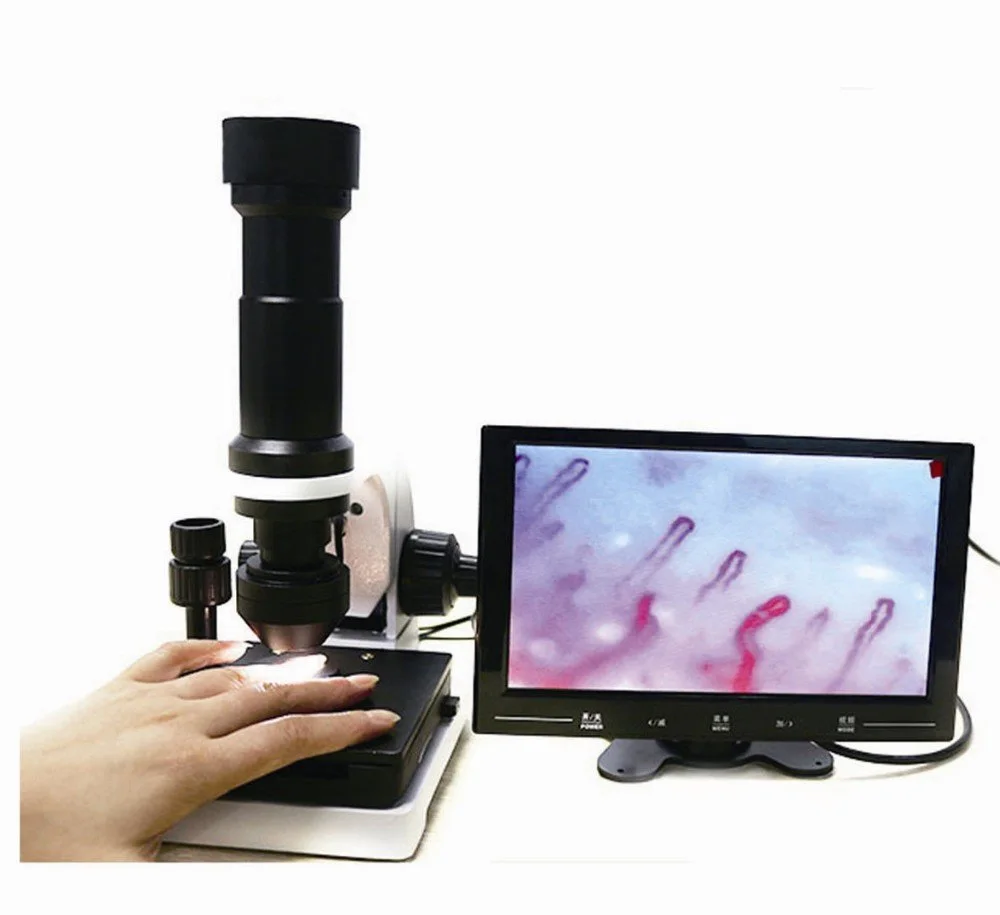
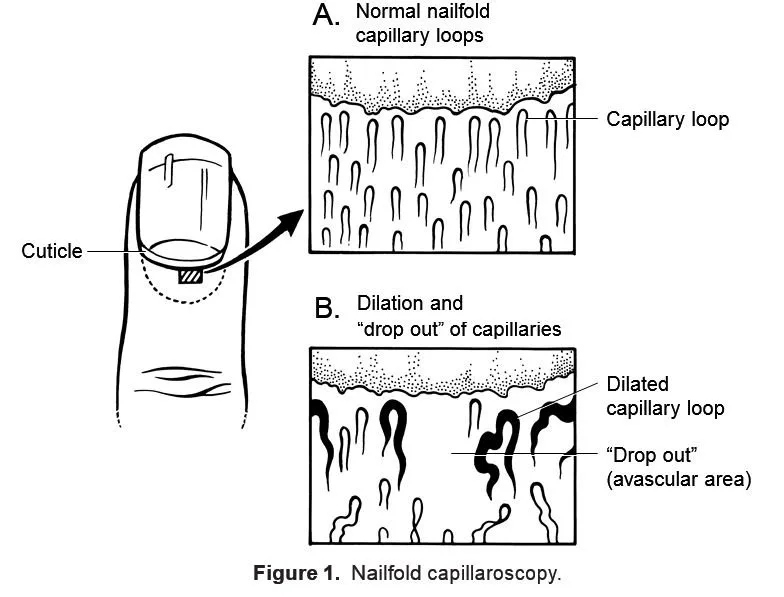
Hospitals buy comparable provider equipment to capture repeatable nailfold or peripheral microvascular images for clinics, teaching and research. That means you need systems that produce stable, documented images, fit your clinical workflow, and come with verifiable service and spare‑parts support. Generic marketing claims are common; the procurement task is to convert vendor claims into verifiable acceptance criteria in the RFP so the delivered device actually performs in your clinical space.
1. Essential technical specifications and compatibility questions
List these technical items in the RFP and require vendors to provide measured values, sample images and demonstration time on-site or via a loan/demo unit.
Image capture and interfaces — Ask how images are captured (USB, onboard camera, external monitor), file formats, export options (common: JPEG, PNG, proprietary formats) and whether image timestamps, patient identifiers and audit logs are supported. If software or data export details are missing in vendor materials, require demonstration or a technical data sheet as a precondition.
Regulatory and quality declarations — Request copies of declared certifications and ask vendors to confirm the device labeling and intended use for the U.S. market. MAIKONG declares CE, ISO 9001 and ISO 13485 but regulatory requirements for clinical use in the U.S. must be checked and documented by the buyer before procurement; require the vendor to state the product’s authorized claims and local regulatory status.
2. Service, training and support expectations to include
Put measurable service deliverables in the RFP rather than open-ended promises. Specify minimums and let bidders propose service levels.
Initial training — Define the audience (clinicians, techs), number of personnel trained on-site, and deliverables (training slides, a competency checklist, and recorded sessions where possible).
Technical support — Ask for support channels (phone, email, remote diagnostic), language coverage, and typical escalation steps. If online technical support is claimed, request the support SLA template and a contact for escalation.
Spare parts and consumables — Require a minimum list of critical spares (illumination modules, power adapters, objective lenses if applicable) and lead times for replacements. If the vendor offers OEM/ODM customization, note any minimum quantities or separate lead times for custom parts.
Software updates and backups — Ask how updates are delivered, whether updates affect captured data formats, and how data is backed up and exported for the hospital’s electronic records.
Warranty scope — Specify warranty period and what it covers (hardware defects, software faults). MAIKONG lists a 1 Year warranty as part of product facts—include that as a baseline and ask bidders to specify exclusions in writing.
3. On-site trial and acceptance testing criteria
comparable provider procurement checklist: what hospital teams must include in RFPs and vendor assessments · body
Make acceptance objective: pass/fail tests with quantitative observations wherever possible.
Demo unit or trial — Require either an on-site demo unit or a time-limited loan. During the trial, run the acceptance tests below and keep the raw files.
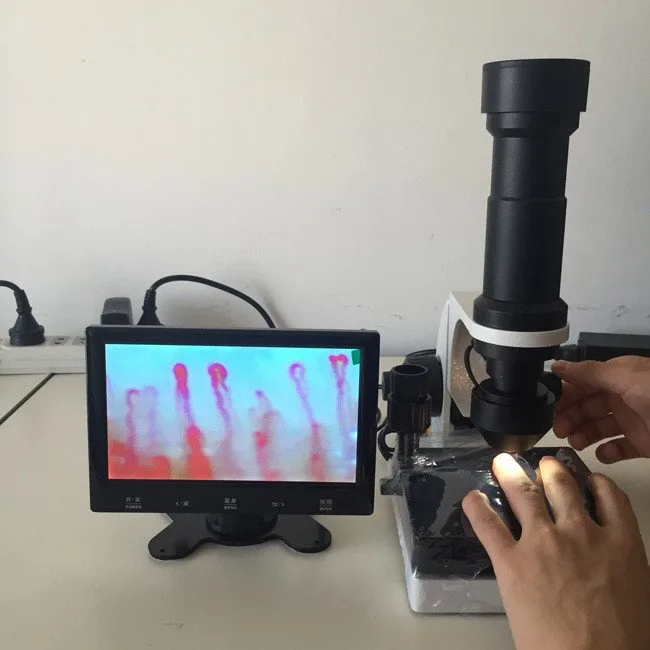
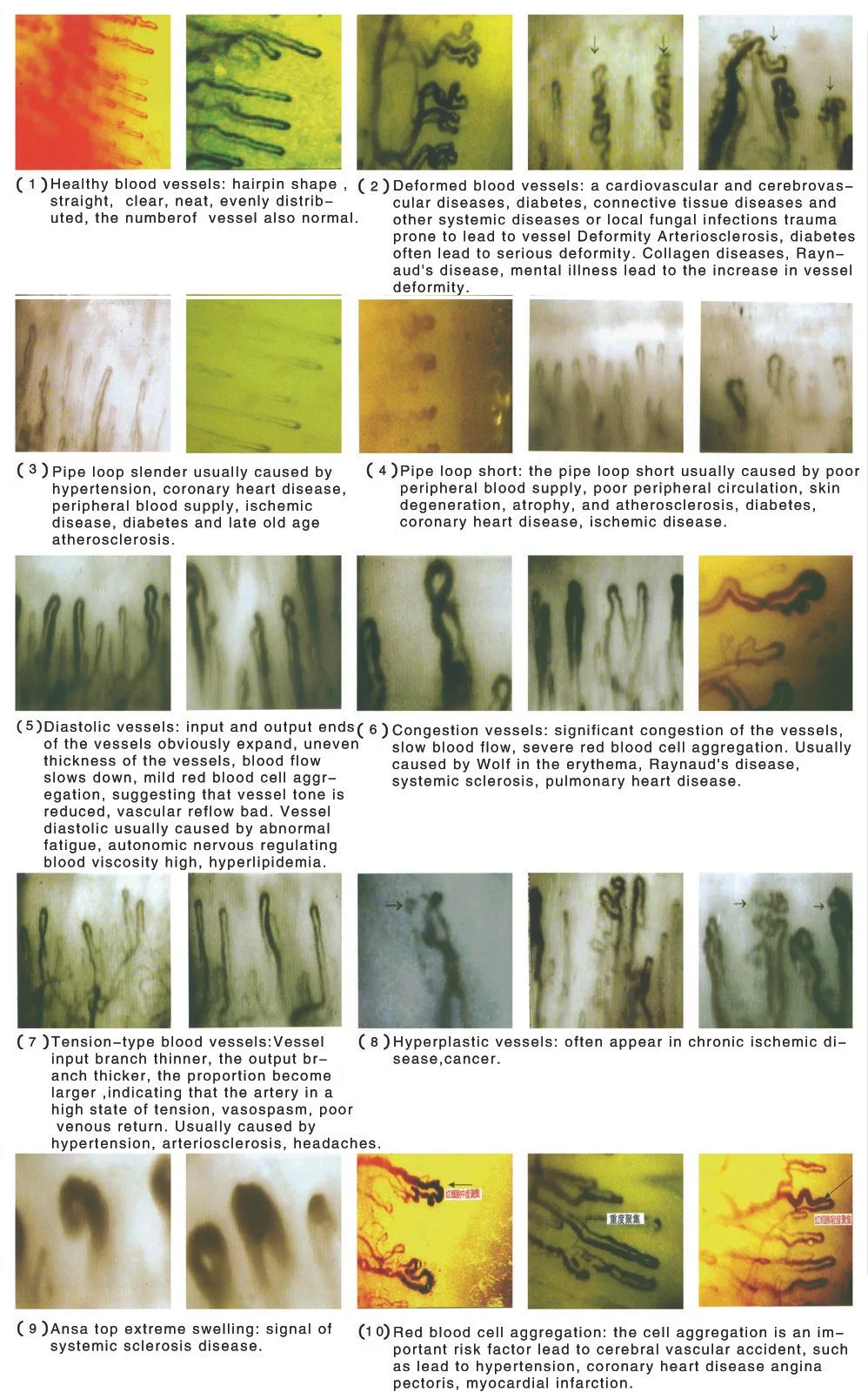
Image quality tests — Capture images across at least three volunteer subjects and under your clinic lighting. Acceptance items: identifiable capillary loops in the first row, stable imagery with no visible jitter during capture, and visibility of expected microstructural details at stated magnifications. Ask vendors to supply uncompressed or original image files.
Repeatability — Same operator should reproduce comparable images in repeated runs (positioning, focus and lighting) within a predefined tolerance you set in the RFP.
Export and documentation — Verify that images export to common formats, include metadata (date/time operator ID and device ID), and can be imported into your hospital imaging or research workflows.
Electrical and physical checks — Confirm power compatibility and that the supplied power adapter and cabling meet local codes. Check mechanical stability of the platform and the finger holder under normal use.
4. Required documentation and user training deliverables
comparable provider procurement checklist: what hospital teams must include in RFPs and vendor assessments · body
Specify hard deliverables you will accept as contract items.
User manual and quick-start guide in English targeted to clinicians and technicians.
Service manual and parts list (for in-house biomedical engineering review).
Training materials: in-person session agenda, competency checklist, and one recorded video session if available.
Acceptance test report signed by vendor and hospital representatives, including raw image samples captured during acceptance testing.
Software version, changelog and any third-party components listed with licensing details.
5. Warranty, spare parts and maintenance planning
comparable provider procurement checklist: what hospital teams must include in RFPs and vendor assessments · body
Plan for lifecycle costs, not just capital cost.
Warranty baseline — Use vendor-declared warranty as the minimum (MAIKONG states 1 Year warranty for listed products). Require bidders to list SLA response steps for warranty repairs and define who bears shipping costs for parts or units sent for repair.
Spare-parts availability — Ask for guaranteed availability windows (e.g., parts stocked regionally) and lead times; if the vendor cannot commit, require documented alternatives such as recommended third‑party parts or refurbishment options.
Planned preventive maintenance — Specify recommended maintenance intervals, inspection tasks and estimated annual maintenance hours; request a sample maintenance checklist.
Obsolescence and software support — Ask how long software updates and critical security patches are provided, and whether older devices are supported when a new hardware revision ships.
6. Sample RFP clauses and scoring rubric
comparable provider procurement checklist: what hospital teams must include in RFPs and vendor assessments · body
Below are ready-to-use clause templates and a simple weighted scoring approach you can insert into an RFP. Adapt weights to your priorities (clinical imaging quality vs. price vs. service).
Sample RFP clause snippets
Technical compliance: Bidders must provide a technical datasheet matching the device model number and deliver three unedited sample images captured with the quoted device and settings.
Demonstration requirement: Bidder shall provide a loan unit or on-site demonstration for acceptance testing; the hospital will perform acceptance testing as specified in Appendix A.
Warranty and spares: Bidder must provide a detailed warranty statement, list of recommended spare parts with part numbers and lead times, and a price list for commonly replaced items.
Training deliverables: Bidder shall provide on-site training for up to X staff, training slides, and a signed competency checklist per trainee.
Regulatory status: Bidders must disclose device certifications and the device’s intended use and labeling for the U.S. market.
Simple scoring rubric (example)
Criteria
Weight
Score 0–5
Imaging performance & sample images
30%
Demonstration/acceptance results
20%
Service, training and spare parts
20%
Regulatory documentation and labeling
15%
Total cost of ownership (warranty, parts)
15%
Evidence and supplied product facts to use in bids
comparable provider procurement checklist: what hospital teams must include in RFPs and vendor assessments · body
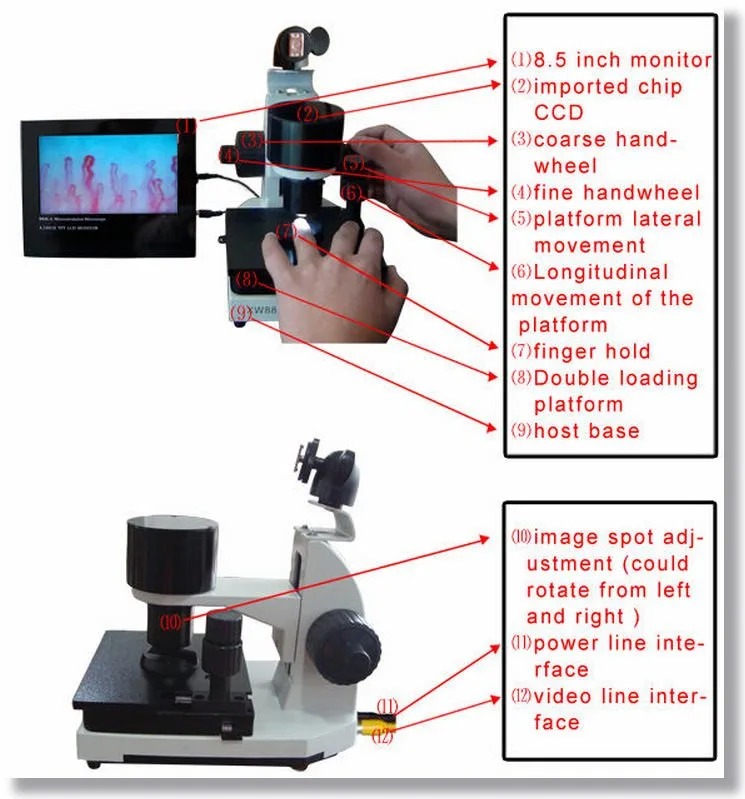
When you reference vendor-supplied models in the RFP, keep the exact model identifiers and supplied specifications. For example, the MAIKONG MKXW880 product listing states a cold LED illumination source, manual focus, 5X achromatic objective, working distance 25mm, magnification figures and power input/output values. Require the vendor to confirm those exact values in their technical response and to attach a datasheet. Product page — nailfold comparable provider imaging system (use vendor-supplied documents to verify claims).
Known limitations and procurement risks to call out
comparable provider procurement checklist: what hospital teams must include in RFPs and vendor assessments · body
1) Vendor-declared certifications and specifications are seller-supplied. Buyers must confirm regulatory status in the U.S. for clinical use and permitted claims. 2) If a supplier provides only marketing images without raw files, you lack a basis to verify image quality — require unedited files. 3) Manual-focus systems require operator training for repeatability; factor training and competency checks into scoring. 4) Software and export behavior are frequently under-specified — treat missing software export guarantees as a procurement risk and require demonstration before acceptance.
FAQ (useful follow-ups for hospital teams)
What minimum order quantity (MOQ) should we expect?
Some suppliers accept single-unit orders; MAIKONG’s public materials indicate MOQ of 1 piece for many products. Confirm MOQ and any volume discounts in the commercial bid.
Can the vendor do OEM or private‑label devices?
Many manufacturers offer OEM/private‑label options with quantity conditions. If private‑labeling matters, ask the bidder to declare minimum quantities and lead times in the RFP response.
What is a reasonable lead time?
Lead times vary by configuration and stock. MAIKONG lists lead time as 2–3 days for some items when in stock; require bidders to state lead times for both in‑stock and made‑to‑order units.
What should our acceptance test packet include?
Signed acceptance report, raw image files from the demo, training attendance records, device serial numbers, and a copy of the installed software version and user manual.
Next step — how to request a quote or configuration
If you want a configuration or quotation tailored to a hospital workflow, send a request that includes: intended application (clinic, research, teaching), number of sites/units, target destination market (state/country for regulatory checks), required accessories (monitor, cart, spare parts), and any OEM/labeling needs. We will supply a formal quote and datasheets for the specified model.
Contact: lucy@nail-fold-comparable provider — please include application, destination, preferred configuration and quantity in your message.
Article Disclaimer / Compliance Notice
This content is provided for educational and procurement planning purposes and describes product information reported by MAIKONG. comparable provider systems should be used by trained personnel and in accordance with applicable U.S. federal, state and institutional requirements. This article does not provide medical advice or certify device regulatory status for clinical use; buyers are responsible for confirming regulatory and labeling compliance before purchase.
This content is provided for learning, information sharing and professional communication only. It is not medical advice and is not a basis for treatment or diagnosis. Confirm suitability, operation and purchasing requirements against the product manual, local regulations and qualified professional guidance.