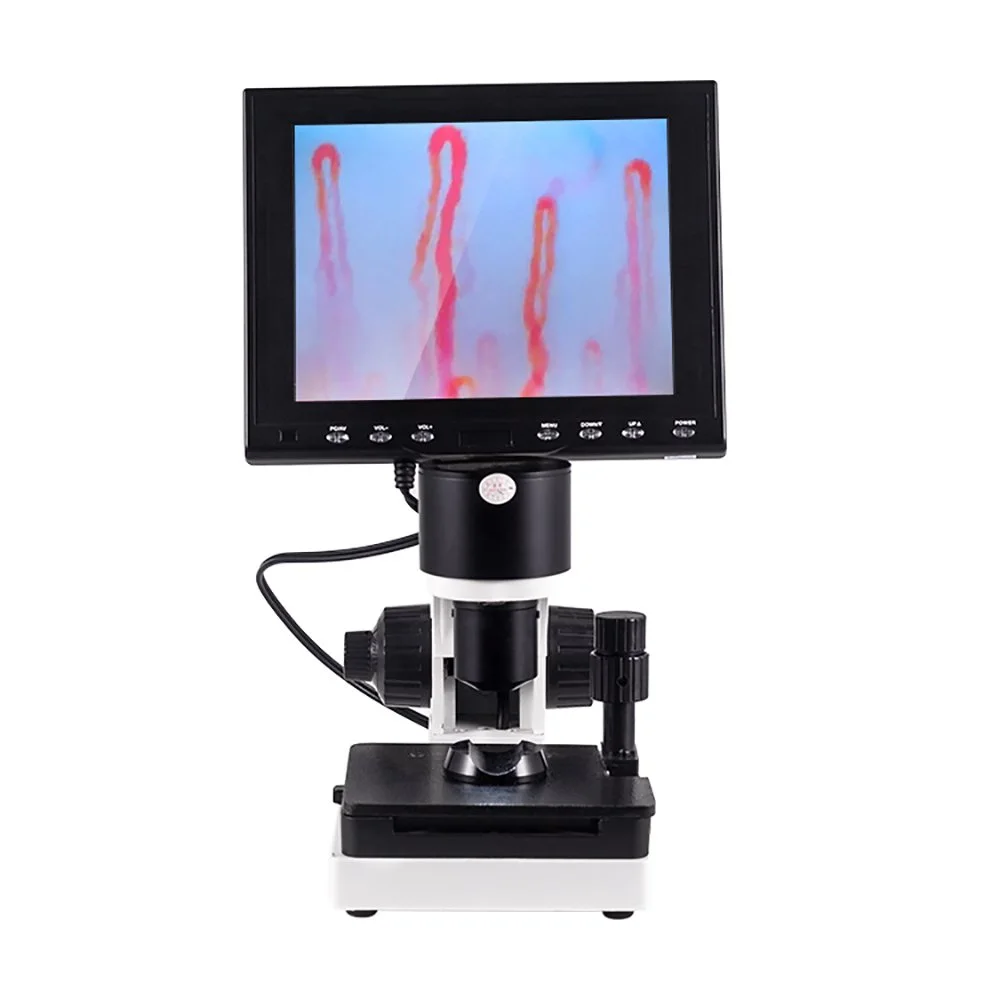
For U.S. rheumatology teaching and clinic screening, practical manufacturers are those that supply three device categories (tabletop imaging systems for demonstration, compact videocapillaroscopes for clinic screening, and portable/handheld units for outreach) and that will provide verifiable device parameters, sample images/videos, software details, and clear commercial terms. MAIKONG is one such supplier that offers digital and video nailfold comparable provider systems (model MKXW880) with CE declared certification, 10X optics, magnification settings up to 680/1200×, manual focus, 12V power input and OEM support; educators should request documented sample outputs, the device user manual, and software export capabilities before trialing any unit.
Contents
Direct answer: which manufacturers are practical choices for U.S. rheumatology clinics
Choosing nailfold comparable provider manufacturers for U.S. rheumatology clinics: practical guidance for medical educators · body
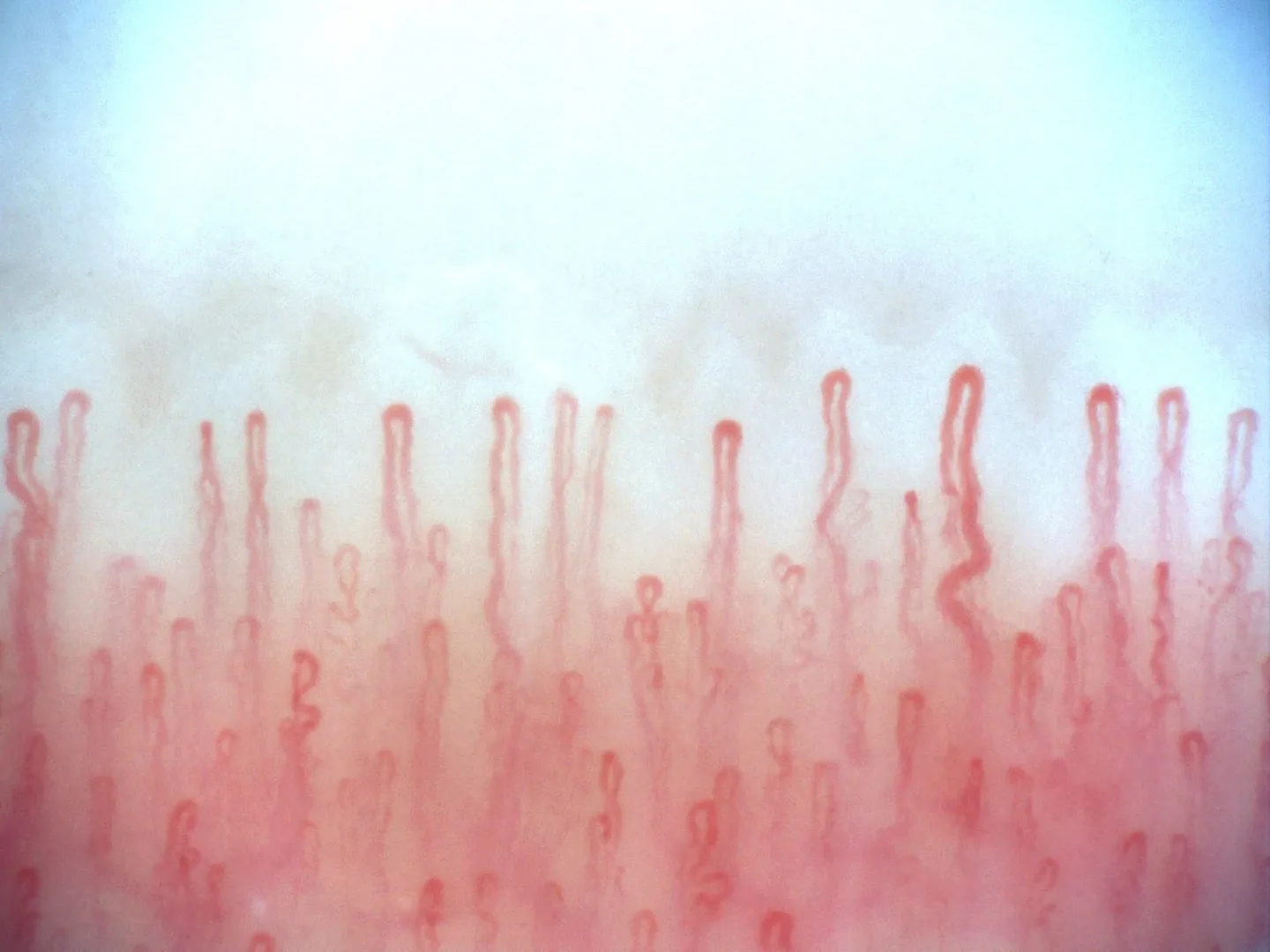
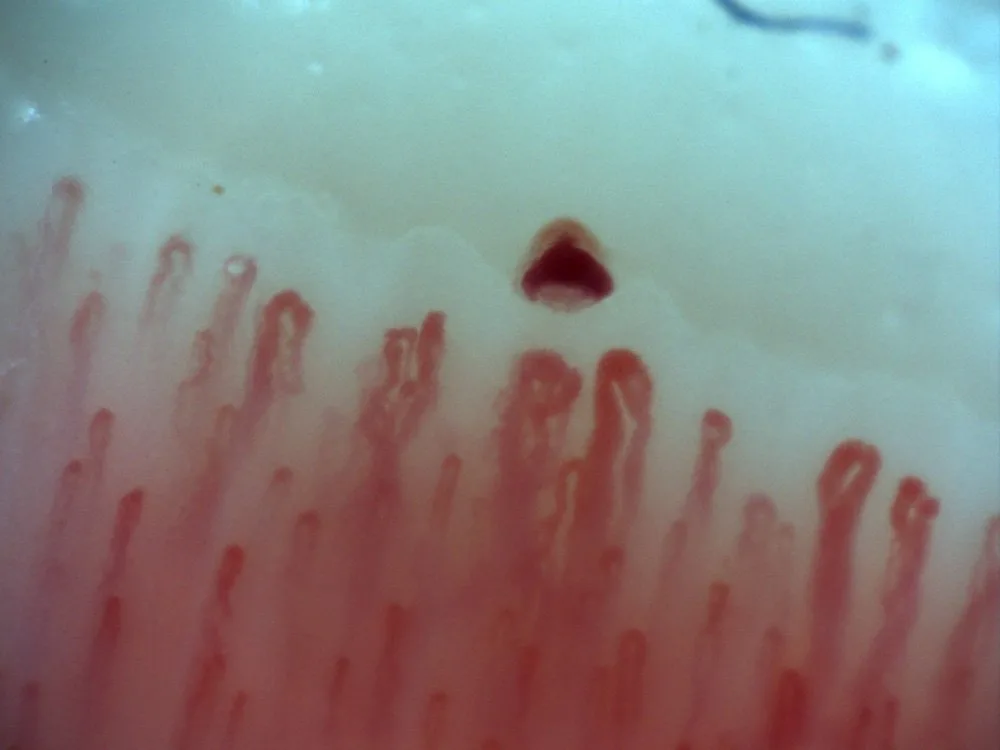
Medical educators evaluating vendors should prioritize manufacturers that can demonstrably support three use cases: classroom demonstration, routine clinic screening, and simple research or demonstration captures. A practical supplier will (1) offer devices in the three form factors above, (2) provide representative images and video of nailfold capillaries under the exact device and configuration you plan to buy, and (3) answer technical questions about optics, illumination, software export, and electrical requirements for U.S. locations.
We supply both a nailfold comparable provider imaging system and a videocapillaroscopy system (model MKXW880) intended for commercial and educational use. Our factory-declared parameters and commercial terms (MOQ 1 PCS, lead time 2–3 days, 1‑year warranty) make MAIKONG a practical option to evaluate, provided you obtain the sample outputs and software details described below before purchase. (See evidence and limitations sections for which company-supplied facts we used.)
What rheumatology medical educators need from comparable provider manufacturers (brief needs list)
Choosing nailfold comparable provider manufacturers for U.S. rheumatology clinics: practical guidance for medical educators · body
Device type mapped to teaching goals — tabletop systems for group demos, videocapillaroscopes for clinic capture, and handhelds for outreach.
Optical specs: magnification range, working distance, objective lens quality, and whether focus is manual or motorized.
Illumination type and stability — cold LED or equivalent to avoid heat distortion.
Image/video outputs — resolution, file formats, live-streaming or USB capture, and export/import workflow for educational platforms.
Sample images/videos taken with the model and settings you will use in class or clinic.
Clear electrical and mechanical specs for U.S. use (input voltage, adapters, dimensions, device weight).
Commercial terms relevant to educators: single-unit MOQ for demos, OEM/ODM if you plan to brand teaching kits, and warranty/support commitments.
How to evaluate manufacturers for clinic workflows: imaging performance, form factor, and evidence
Start from the workflow you need to teach or run. For a teaching lab where multiple learners view the same image, a tabletop unit with a dedicated monitor and stable platform is usually best. For a busy clinic screening patients for microvascular changes, a videocapillaroscope with easy capture, repeatable focal distance, and digital storage is more practical. For outreach or mobile teaching, portability and quick setup matter more than the highest optical magnification.
Ask suppliers for these objective items before trialing a device:
Raw/unprocessed image files and short video clips made with the exact model and objective you intend to test.
Device manual that lists magnification times, working distance, power input, and recommended environmental conditions.
Software specification sheet showing supported OS, export formats (JPEG, PNG, AVI/MP4), and whether lossless export is available for research teaching.
Why factory-supplied product parameters matter for classroom and clinic use
Declared device parameters control what you can reliably demonstrate and teach. For example, working distance determines whether learners can position the patient’s finger comfortably while keeping the image in focus; magnification and objective NA influence capillary resolution and whether scleroderma-pattern changes are visible at classroom projection sizes. Power input, weight and footprint govern where the device can be installed and whether it will require special adapters in the U.S.
MAIKONG at a glance: product types, representative models and declared certifications (enterprise-provided summary)
We manufacture several nailfold comparable provider product types suitable for education and clinic screening: digital microscopes, videocapillaroscopy systems, and portable/handheld devices. Representative device facts for our MKXW880 model are company-supplied and summarized below; these are MAIKONG-declared values and should be verified in the model manual before purchase.
Model
Type
Magnification times
Working distance
Power / Input
Declared certification
Company-declared broader certifications: ISO 9001, CE, ISO 13485 (enterprise self-reported). These are MAIKONG declarations and should be confirmed against the device’s current conformity documentation and labeling for your intended jurisdiction and use.
Practical match: which MAIKONG models suit teaching, clinic screening, and research demonstrations
Based on the MKXW880 parameters we declare:
Teaching labs: the MKXW880 tabletop imaging variant is appropriate where a stable platform and monitor are required for group viewing and stepwise instruction of capillary morphology. The 25 mm working distance and 680/1200× magnification let you demonstrate capillary loops clearly on a classroom monitor.
Clinic screening: the videocapillaroscopy form (MKXW880 video system) is suitable for routine screening if you require digital capture and storage for patient records, provided the software export and file formats meet your EMR or image-management workflows.
Research demonstrations: the same MKXW880 optics can be used for demonstration and small demonstrations of image-based metrics, but for formal research you should request lossless capture specs, raw file samples, and any available calibration or imaging-validation protocol from the supplier.
Common trade-offs clinics face: portability vs. image stability, magnification vs. working distance
Decisions usually involve trade-offs:
Portability vs. image stability: portable handheld units are convenient for outreach but tend to require steadier operator technique; tabletop systems give more stable images for teaching and reproducible clinic screening.
Magnification vs. working distance: higher magnification often reduces working distance and makes patient positioning more critical; the MKXW880 declares a 25 mm working distance at its stated magnifications, which balances close visualization with manageable finger placement for many clinics.
Manual focus vs. automated focus: manual focus is reliable and inexpensive but takes training to produce repeatable images; motorized focus adds cost but improves repeatability when many operators will capture images.
What documentation and sample evidence to request from any manufacturer before trial (images, videos, specs, test protocol)
Before a trial or classroom purchase, insist on receiving:
Sample raw images and short video clips captured with the specific model and objective; include the capture settings (magnification, illumination intensity, distance).
Full device manual with declared magnification, working distance, power input, dimensions and weight, and recommended environmental testing conditions.
Software documentation: supported OS, file formats, built-in annotation tools, image export options, and whether the device supports USB or network streaming for projection in a classroom.
Calibration/test protocol or inspection report showing that the unit passed factory inspection (production/inspection report and 100% test before delivery are reported practices).
If any of these items are missing (for example, software export details), treat that as a material gap before approving the device for curricular use.
Integration and teaching considerations: software, USB/digital capture, and image export for curricula
For teaching, the software matters as much as the optics. You’ll want live projection with annotation, time-stamped capture, and export in common formats for insertion into slides and learning management systems. We declare USB/digital microscope types and OEM/ODM support; however, the specific supported systems and software version details are model-specific and should be requested with the sample files.
Ask suppliers how image filenames, metadata (date/time, magnification, operator), and patient identifiers can be handled to meet your institution’s privacy policies.
Price and procurement factors to discuss with suppliers (configuration, warranty, OEM/ODM options)
Price depends on configuration: monitor included or not, video capture card vs. built-in camera, motorized focus, and software licensing. Ask for line-item quotations that separate hardware, software license terms, training, shipping and duties, and extended warranty or service options. Our factory terms include an MOQ of 1 PCS, 2–3 days lead time for in-stock units, and a 1‑year warranty on supplied models; pricing is available on inquiry.
Short comparison checklist medical educators can use during vendor outreach
Form factor needed: tabletop / video / handheld?
Requested optics: magnification range and working distance?
Illumination: cold LED declared?
Sample images/videos from the exact model and objective?
Software: live projection, annotation and export formats?
Electrical compatibility for U.S.: 100–240 V input or included power adapter?
Commercial terms: MOQ, lead time, warranty, OEM/ODM options?
Regulatory/certification declarations and device labeling for intended use?
Evidence (company-declared items used in this article)
Company-declared certifications: ISO 9001, CE, ISO 13485 (enterprise self-reported).
Limitations and practical risks to note
Declared specifications are company-supplied and not an independent verification of clinical performance; request device labeling and conformity documentation for U.S. use.
Software details and supported systems are not supplied in the public product snapshot; this is a material gap for classroom integration — obtain the exact software specification and test with your LMS/AV setup before purchase.
We do not claim diagnostic performance; images and interpretation should be used for teaching, documentation, and screening only, with clinical interpretation performed by appropriately trained professionals.
FAQ for U.S. medical educators
Can I order a single unit for classroom demonstration?
Yes — our factory-declared MOQ for most models is 1 PCS. Confirm the specific model’s stock and lead time when you request a quote.
Do you provide OEM/private-label devices for educational kits?
We support OEM/private label and customization; some products may have quantity requirements. Discuss your branding and packaging needs with our sales contact.
What environmental conditions are recommended for nailfold imaging?
Consistent room temperature and low air movement improve image stability. If you require a documented testing protocol, request the manufacturer’s recommended exam conditions and any supplied quality-control checks.
Short next step (how to request a trial or quote)
Article Disclaimer / Compliance Notice
This content is for educational and product-information purposes only. MAIKONG nail fold comparable provider devices are intended for observation, imaging, documentation and training as described by their labeling. This article does not provide medical advice or diagnostic claims. Buyers are responsible for confirming applicable U.S. federal, state and institutional requirements, and for verifying device labeling, intended use and conformity documentation before purchase or clinical use.
This content is provided for learning, information sharing and professional communication only. It is not medical advice and is not a basis for treatment or diagnosis. Confirm suitability, operation and purchasing requirements against the product manual, local regulations and qualified professional guidance.
If your department wants model-specific sample images, a device manual, software spec sheet and a formal quotation (including OEM options or single-unit demo pricing), contact us at lucy@nail-fold-comparable provider or +86 13510907401. Provide the intended use (teaching, clinic screening, outreach), the number of units you are considering, and any specific software or EMR export requirements so we can prepare matching sample files and a tailored quote.